FAQs: What the Pension Bill Means for You
The ink is still drying on the pension cut deal that was attached in the dead of night to Congress’s spending bill. Some FAQs can be answered now; TDU will provide updated information as it becomes available
Does this bill mandate pension cuts?
No. This bill permits “deeply troubled” pension plans, those which could become insolvent over the next 10-20 years, to cut already-earned pensions of retirees and active workers. These cuts will be up to the trustees of the pension fund; the trustees are 50% union officials, and 50% management reps. No cuts will go into effect immediately.
Could this affect other Teamsters, or just those in the Central States Pension Fund?
Most Teamster funds will be completely unaffected. The Western Conference Fund is in the “green zone.” Other large Teamster funds, such as New England, Local 705, Local 710, Local 804, Local 177, Joint Council 83, and most others will be unaffected, even if they are in the “red zone.” For example, Local 804 just won significant pension benefit increases in their recent contract.
Certain deeply troubled small Teamster funds may be affected. New York Local 707’s pension fund is nearly insolvent, as freight jobs dried up, and their biggest employer YRC got concessions to drastically cut their contributions to all pension funds. So we expect the Local 707 Fund to consider pension cuts.
How will it affect Teamsters in the Central States Fund?
The Director of the Fund, Thomas Nyhan, was a principal lobbying force for this bill, and has stated that CSPF will impose cuts on retirees and active Teamsters. The Trustees of the fund, who are 50% management and 50% Teamster officials politically aligned with Hoffa, support the bill and support cutting pensions. They will make the decisions on when, who, and how much to cut, within the bounds of the new legislation.
Have Central States officials indicated how much they will cut?
In the past, Al Nelson, the Benefit Services Director of Central States, stated that a cut of about 30% would be what is needed.
But now the legislation has changed that. It requires that workers (so-called “orphans”) who retired from companies that went bankrupt (such as CF, Allied Systems, Preston, or Hostess, for example) be cut first and hardest.
This horrendous language is contained on page 81 of the pension legislation.
At this point, no one knows what the cuts will be, because we do not know how this legislation will be interpreted or applied. The next move will be by the Central States trustees.
The legislation also has protective language for some retirees: those over 80, those receiving only a disability pension, and to a partial degree, those who are 75-80.
How will this affect UPS retirees in the Central States Fund?
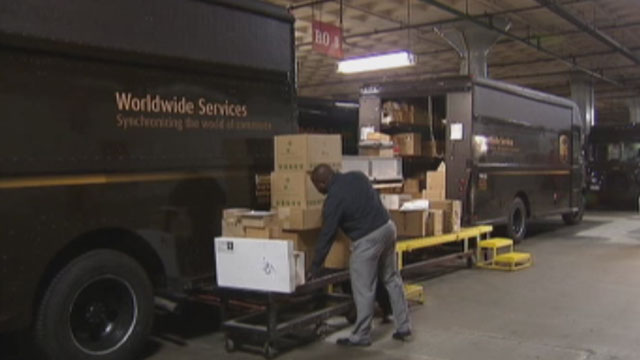
UPS bought enough influence in Congress to save an estimated $2 billion through a special interest loophole that shifts the company’s cost burdens on to Teamster retirees who will face additional pension cuts as a result.
On pages 81-82 of the pension legislation there is a loophole dedicated to exactly one corporation, UPS. This loophole means that CSPF will probably not be able to cut the pensions of UPS workers who retired after January 1, 2008, because they are “Priority 3” in order of cuts (the best priority).
UPS retirees do not benefit one cent from this loophole because their pensions are already protected by the contract. Article 34, Section 1 of the current UPS master agreement, requires UPS to make up the full pension to UPSers if CSPF imposes cuts.
UPS’s special interest loophole means the company won’t have to make up for any pension cuts. As a result, all non-UPS retirees will face $2 billion more in pension cuts. Retirees are footing the bill so that UPS doesn’t have to pay the obligations it agreed to in the contract.
It is not known if the “UPS Exemption” also covers UPS Teamsters who retired from Central States before January 1, 2008. These Teamster retirees deserve to know their status and if they may face pension cuts.
Will Teamsters and retirees get a vote prior to any cuts?
A ‘fact sheet’ issued by the bills sponsors claims that workers and retirees will get a vote before cuts could be made. But this is not true because of additional loopholes in the deal.
First, those in Central States can be deprived of a vote, because it is a large fund and its failure could seriously impact the Pension Benefit Guaranty Corporation (PBGC).
To add insult to injury: a majority of all participants – not just voters – would be required for a No result. In other words, not voting would count as a vote in favor of a pension cut!
If Central States makes these cuts, will the fund be secure?
Maybe. Certainly slashing the benefits would improve the bottom line. But in the long run a pension plan needs contributing employers, and here is where the Hoffa administration has failed badly. They severely undermined the Fund by letting UPS pull out 45,000 participants, and they have not organized new companies into the fund. Central States set up a special “hybrid” kind of plan to allow new companies to join the fund with zero withdrawal liability. It was designed for organizing. But it has not been used for new companies. That has to change.
Will Teamster officials and Central States officials have to take cuts?
That remains to be seen. Because their work for the fund or local unions will not count as “orphan” time, they may or may not face cuts. But Thomas Nyhan, the fund director, is paid $662,060, so he probably isn’t worried. Neither is Hoffa: he is in the lucrative Family Protection Plan, which pays far more than a working Teamster could dream of collecting.
Sign up for email updates at www.tdu.org and like us on facebook.
The Pension Rights Center’s backgrounder on the pension-cut bill
TDU